
Emergency water damage response available 24/7Email our team
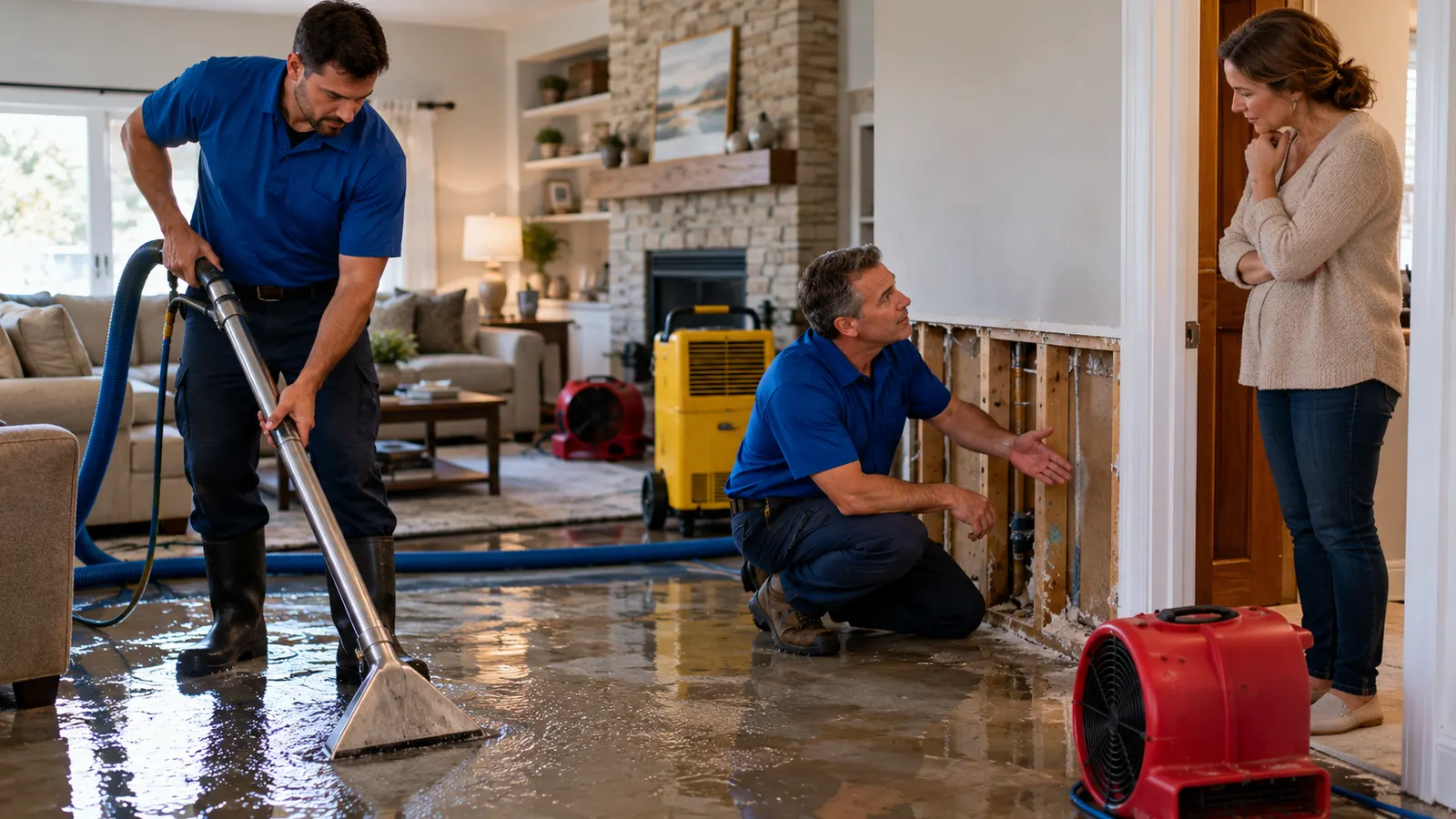
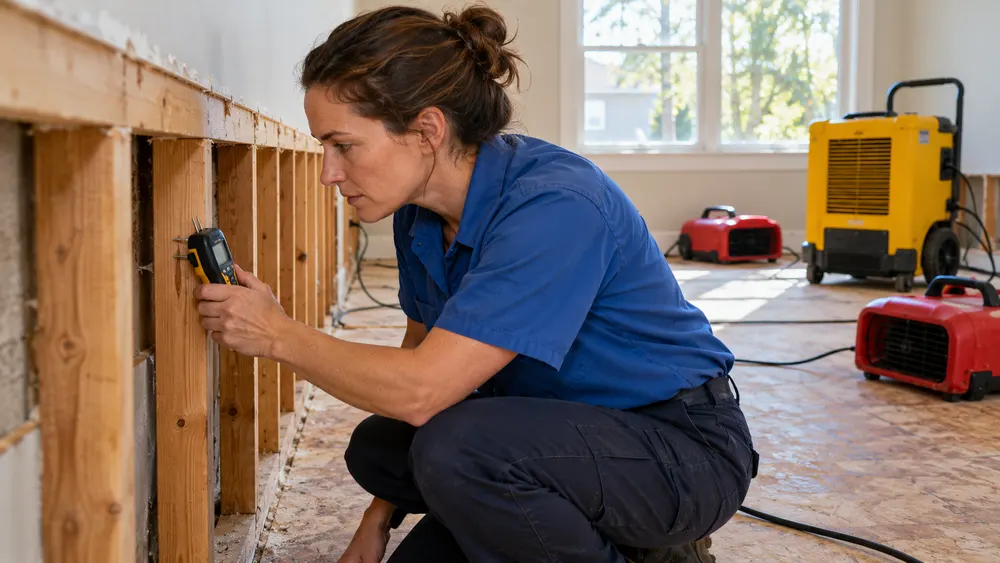
Technicians extracting standing water and assessing an opened wall in a flooded living room.

24/7 emergency water damage response

Water Damage Restoration in Bixby, OK

From the standing water to the wall behind it. Water extraction, structural drying, mold remediation, and damage repairs for Bixby homes and businesses.

Serving Bixby, Jenks, Broken Arrow & nearby communities

24/7 emergency responseWater damage help, day or night

Measured dryingMoisture meters & drying logs

Cleanup through repairsExtraction, drying & rebuilding

Claim documentationPhotos & records for your adjuster

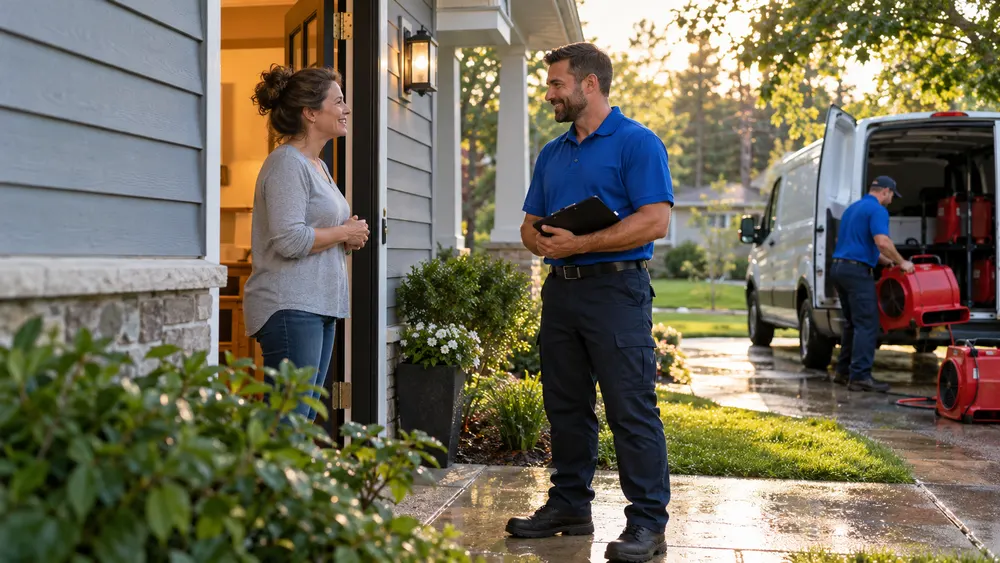
Technician discussing restoration work with a homeowner while equipment is unloaded from a van.
On-site damage assessment

Water Mitigation for Wet Floors and Walls

A puddle is easy to spot. Wet carpet pad, swollen cabinet bases, and moisture behind the baseboard are harder to find. Our restoration work starts by mapping how far the water traveled, then deciding which materials can dry and which need removal.

Check the layers belowCarpet, pad, subfloor, wall cavities, and framing.

Keep a record of the lossDamage photos, moisture readings, and drying progress.

We handle water damage, not plumbing.

Your plumber fixes the line or replaces the failed appliance. We remove the water it left behind and restore the affected materials.

Discuss your water damage

Water Damage Cleanup Services

A burst attic pipe, a flooded floor, or an overflowing water heater can leave very different damage. Find the cleanup service that matches what happened at your property.

Why Water Damage in Bixby Needs a Closer Look

Arkansas River bottomland, attic HVAC equipment, and winter line breaks all affect where moisture collects. The water you see may be only one part of the damage.

Slab or pier-and-beam?
Tell us when you call. The foundation changes how we check below your floor.

River bottomland & slab moisture

Bixby sits along the Arkansas River, with low ground and a high water table in parts of town. Moisture can wick through slab foundations into carpet pad, baseboards, and the lower edge of drywall. We check those edges, not just the center of the room.

Attic condensate & summer humidity

Long humid summers keep air conditioners working. Clogged condensate drains overflow into closets or attics; cold ducts can sweat onto insulation and ceiling drywall. Tightly sealed newer homes can also hold humidity when ventilation is off.

Spring storms & runoff

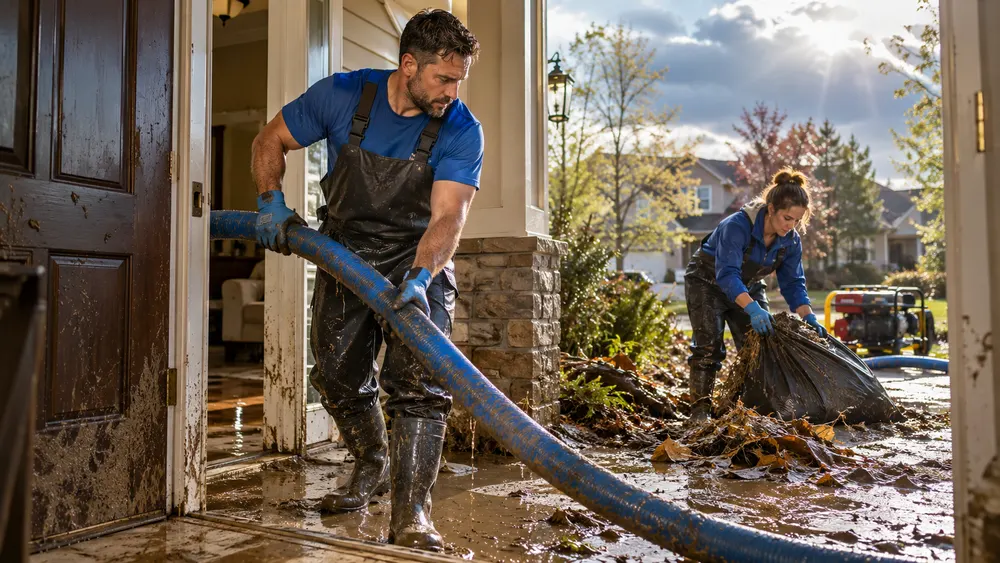
Flash flooding near the river and lots graded toward the house can send stormwater through a doorway. Muddy outside water changes the cleanup plan. Saturated pad and contaminated lower drywall may need removal before remaining materials can dry.

Attic lines & exterior walls

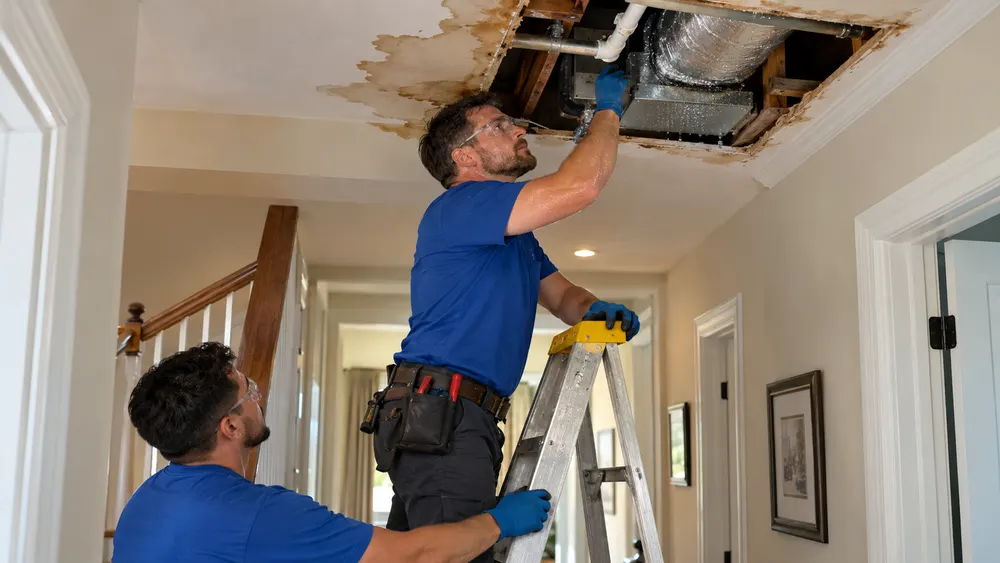
Hard freezes and ice storms can split supply lines in attics and exterior walls. Water travels through insulation before stains appear downstairs. After the source is repaired, we check adjoining rooms and the floor beneath the break.

How the Restoration Process Works

We explain what is wet, what can stay, and what needs removal. The plan follows the materials and moisture readings, with changes recorded as the building dries.

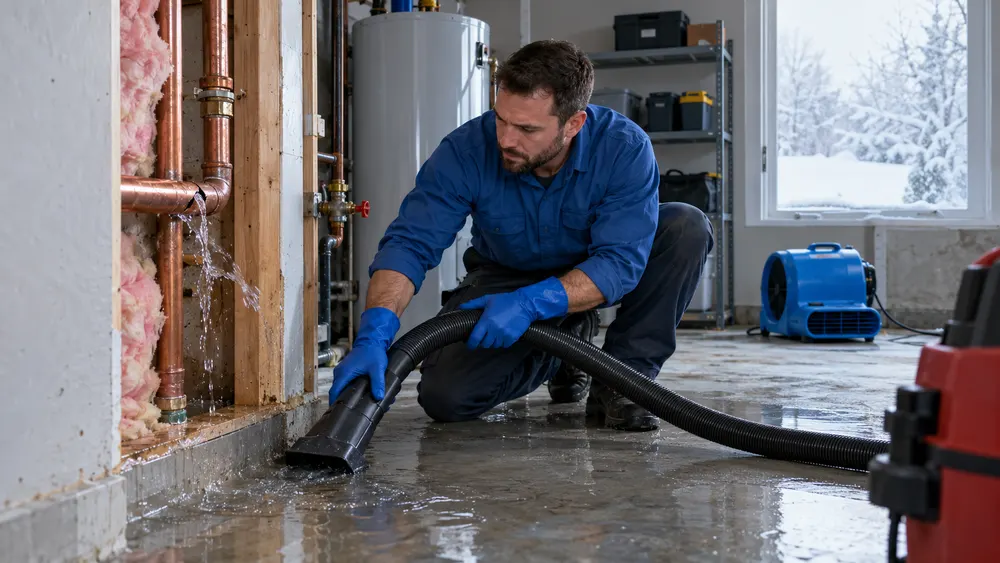
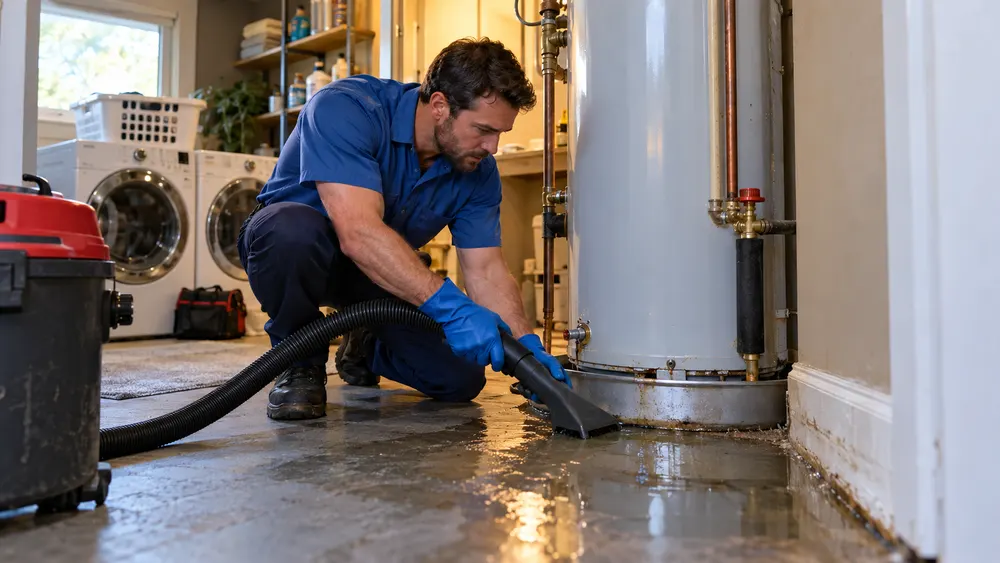
Technician extracting water from a utility-room floor beside a water heater and laundry machines.
Water extraction from a water-damaged utility room
  1. Call & describe the loss

    Tell us the address, affected rooms, and what happened. Mention standing water, ceiling damage, or any area you cannot safely enter so we can discuss the next steps.

  2. Assess & map the moisture

    We use moisture meters and thermal imaging to locate areas needing a closer check. A thermal image shows temperature differences; meter readings help confirm moisture in the material.

  3. Extract & remove damaged materials

    We remove standing water and assess soaked carpet pad, insulation, and drywall. Materials that cannot be dried or cleaned appropriately come out, giving the remaining structure access to moving air.

  4. Dry & check again

    Air movers and dehumidifiers work together. We log readings, check framing and subfloors, and adjust equipment as needed. A surface that feels dry is only one part of that assessment.

  5. Rebuild after drying

    Before new drywall or flooring goes in, we check the exposed framing and subfloor against the drying plan. Then we discuss replacement insulation, drywall, baseboards, and damaged floor finishes. Covering damp materials too early can trap the same moisture behind the new work.

Documentation for Your Insurance Claim

Water damage changes as cleanup progresses. We document the conditions before removal, the materials affected, and the readings collected during drying. That record helps explain why work was needed even after the water is gone.

  • Photos of affected rooms and removed materials
  • Moisture readings tied to the areas checked
  • Drying logs and equipment notes
  • A documented scope to discuss with your adjuster

We work with the adjuster and help answer questions about the restoration work. Your insurer decides coverage and claim approval. Keep your claim number, policy information, and any photos taken before cleanup.

Crew member taking notes while a homeowner shows her phone at a kitchen table.
Damage documentation discussed with a homeowner

Serving Bixby and Nearby Communities

Our office is at 14924 S Grant St, Bixby, OK 74008. We serve Bixby and nearby communities with water extraction, drying, damaged-material removal, and restoration work.

From hardwood and cabinetry in Jenks to a wet crawlspace in Sapulpa, the building matters as much as the amount of water. Call with your location and describe the damage so we can discuss your property.

Water Damage Questions

Every loss is different. These answers explain what the drying work involves and what information helps when you call.

Talk through your situation
Can I call about water damage at night?

Yes. Emergency water damage response is available 24/7 at (918) 675-5611. Office hours are Monday–Friday, 8:00 AM–6:00 PM. When you call, describe the affected rooms and whether water is still entering.

Will the carpet dry if the surface feels dry?

Carpet fibers can dry while the pad underneath holds water against the slab or wood subfloor. We check the layers separately and measure nearby baseboards and wall edges. Delaminated carpet, contaminated pad, or swollen flooring may need removal even after the visible water has disappeared.

How long does structural drying take?

Drying depends on the materials, how long they stayed wet, and whether air can reach the moisture. Cabinet toe kicks and enclosed wall cavities can hold water after an open floor dries. We record repeat readings and compare affected materials with an appropriate dry reference before discussing repairs.

Does every wet wall need to be removed?

Not always. Intact drywall affected by clean water may be dryable, while crumbling gypsum, soaked insulation, and contaminated porous materials need a different plan. We explain where an opening is needed to reach trapped moisture. Painting over a stain does not dry the wall cavity behind it.

Can you help with the insurance paperwork?

We document damage with photos, moisture readings, and drying logs, and work with your adjuster on questions about the restoration scope. Your insurer determines coverage. Documentation supports the record of the loss; it does not guarantee claim approval.

What if the damage includes a crawlspace?

Standing water under a pier-and-beam home can wet joists and the underside of the floor. We assess access, remove water, and check those materials during drying. Tell us about soft flooring, damp odors, or water visible beneath the house.

Water in Your Home? Call Bixby Restoration Champ

Tell us which rooms are affected and whether water is still coming in. We'll explain the next steps for extraction and drying.

Call (918) 675-5611

24/7 emergency water damage response
Email: info@bixbydamagerestoration.com

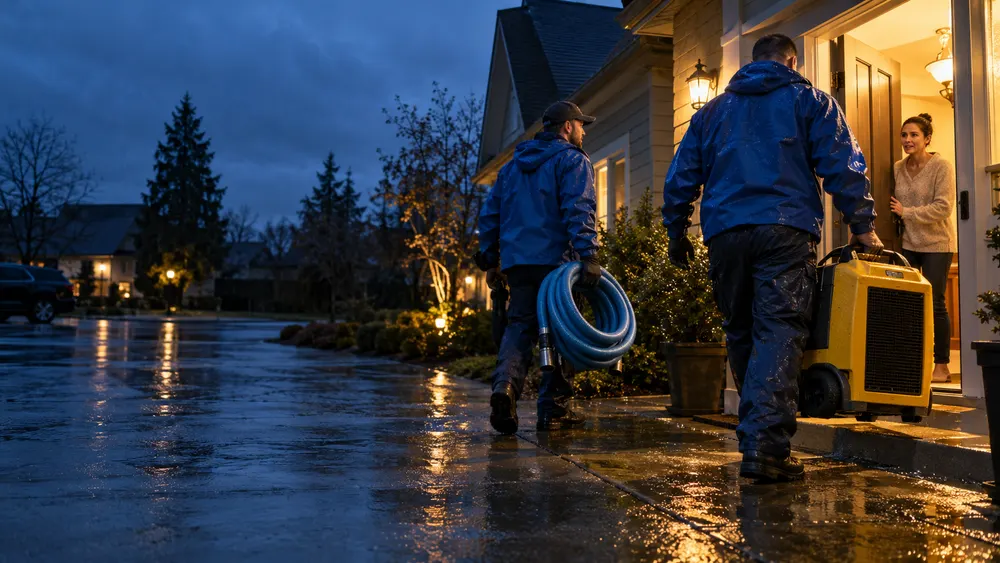
Workers carrying a hose and dehumidifier toward a lit home entrance on a wet evening.
24/7 emergency water damage helpCall (918) 675-5611