
Water Damage Restoration Cost in Bixby, OK
A restoration price starts with the condition of the rooms, not a single rate for every wet floor. Two Bixby homes can have similar puddles but very different work beneath the carpet, behind cabinets, or above the ceiling. The assessment separates extraction, drying, removal, and rebuilding so you can see what drives the scope.
Call (918) 675-5611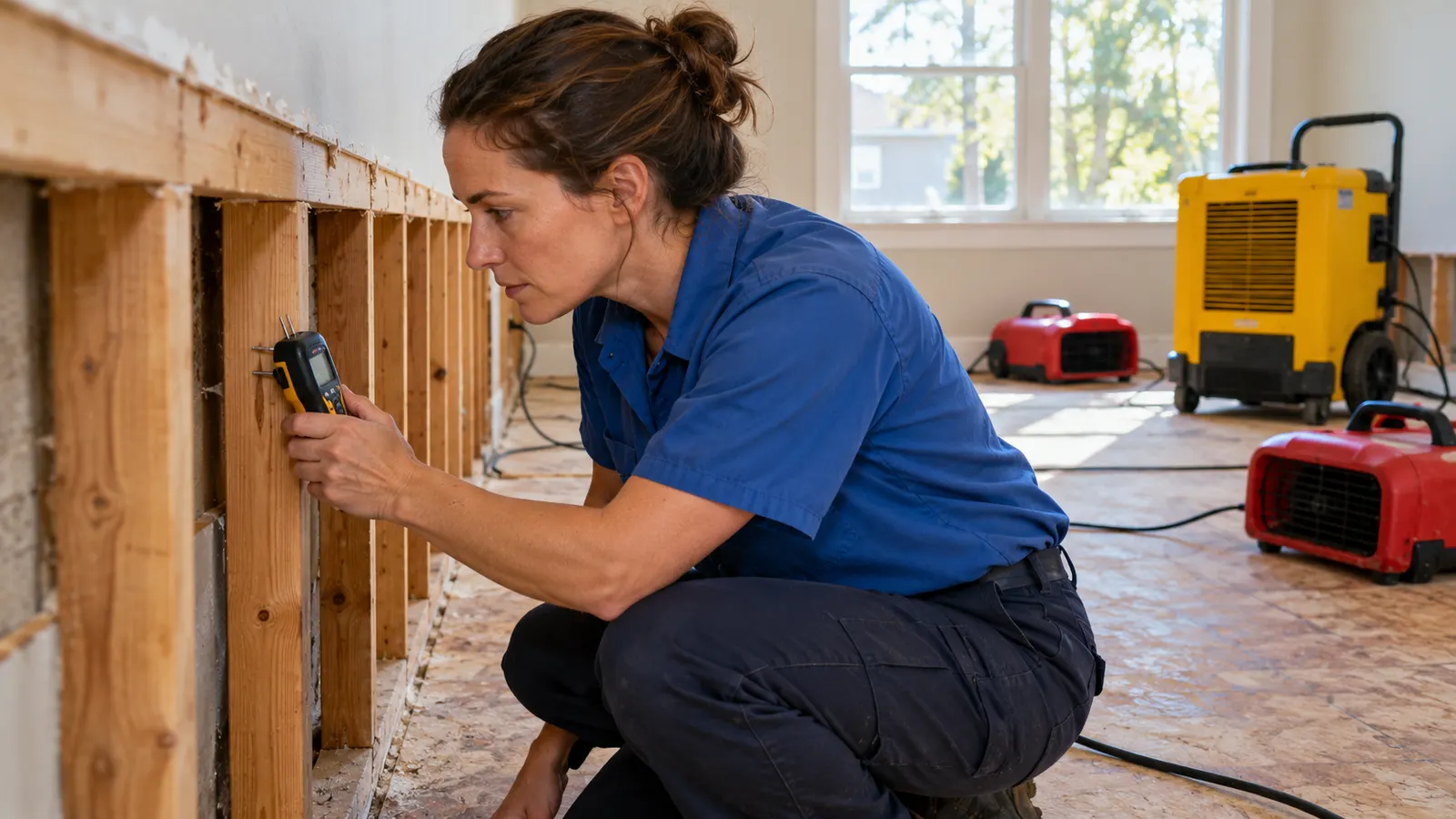
Water source and condition change the work
Clean water from a recently failed supply line is assessed differently from gray water with contaminants or black water involving sewage and other severe contamination. The labels describe water conditions, not just its color. Where it traveled, what it contacted, and how long materials stayed wet can change the handling required.
Contaminated water can require protective measures, separation of the work area, more removal of porous materials, and cleaning before drying. A sewage-soaked carpet pad is not treated like a fresh supply-water spill on a hard surface. The crew should explain the water condition and the material decisions it supports.
How much of the building became wet
Square footage matters, but room count and access matter too. One open room may allow a simpler setup than the same wet area divided among bedrooms, closets, and a hallway. Water can continue under a floor finish or through a wall base, so the visible edge of the puddle is only a starting point.
An upstairs leak may affect the ceiling below as well as the room where it began. Attic access, furniture protection, and reaching high ceilings can add work. Moisture mapping helps identify those areas before equipment and removal quantities are set. Ask which rooms are included and which readings support the scope.
Cost factors to discuss during the assessment
This table shows why the scope changes from one property to another. It is a way to prepare questions, not a substitute for checking the affected materials on site.
| Cost factor | What it means | Raises or lowers cost |
|---|---|---|
| Water category | The source, contamination, and contact history | Cleaner recent releases may require less removal; contaminated water adds handling and cleaning |
| Wet area and room count | The measured spread and the number of separate spaces | More rooms and hidden spread add inspection, setup, and work |
| Materials | Carpet, wood, cabinets, drywall, and insulation respond differently | Accessible salvageable material can reduce replacement; damaged layers add removal and repairs |
| Equipment days | Machines operate while material readings justify drying | Faster verified progress reduces days; slow concealed moisture may extend work |
| Mold and rebuild | Containment needs and the finishes that must be replaced | Additional remediation and replacement expand the scope |
Materials can cost more than the puddle suggests
Carpet pad can hold water under a carpet that looks nearly normal. Hardwood may need evaluation for cupping, separation, or moisture beneath the boards. Cabinet bases can trap water against the slab, while drywall and insulation may need removal to expose a wet cavity. These layers affect both cleanup access and replacement work.
Ask what can be dried, what is damaged beyond drying, and what must come out because of contamination. Removing one material can reveal another wet layer, so a scope may change after access. Updated photos and a plain explanation should show why the additional work relates to the water event.
Drying time and equipment days
Drying equipment remains while readings show that it is needed. Dense wood, concealed pockets, and limited airflow can take longer than accessible surface moisture. The number of machines is only part of the picture; their placement, the room conditions, and repeated material checks explain whether the setup is working.
Ask how readings will be logged and when the plan will be reviewed. An area that stays wet may need a change in access rather than simply more days with the same equipment. Turning machines off or opening windows without discussing the conditions can interfere with the planned drying environment and extend the work.
Mold work and the rebuild scope
Visible growth or a history of repeated dampness can add containment, HEPA air cleaning, and removal of affected porous materials. The moisture source still needs correction. Painting over growth or closing a damp wall does not replace that work. The mold assessment should identify the area involved and the steps proposed.
After drying checks, rebuilding may include insulation, drywall, trim, cabinets, or flooring. The repair scope depends on what was removed and what suffered permanent damage. Ask whether the written plan covers only cleanup or also the finish repairs, and how later discoveries will be documented before the work changes.
How insurance usually fits into the cost discussion
Homeowners policies often distinguish sudden accidental water damage from gradual leakage, and flood or backup coverage can involve separate terms. The NAIC consumer guide to burst-pipe claims provides general background. Your insurer decides coverage under your policy; an on-site restoration assessment does not promise payment.
Keep damage photos, source-repair invoices, moisture readings, and drying logs together for the adjuster. Ask your insurer about the deductible, limits, and any documents needed for repairs. We can explain measured conditions and the work performed, but do not promise claim approval or direct billing. Review the written scope and payment terms before authorizing work.
For the next step, read about extraction, drying walls and subfloors, mold remediation, and water damage repair through rebuilding. We assess properties in Bixby and nearby Jenks. The exact cost needs an on-site review of the water route, material condition, and access required at your property.
Discuss the Scope Before Repairs Begin
Call with the affected rooms and whether the source has stopped. We will explain how an on-site assessment identifies the cleanup, drying, and repair work to price.
Call (918) 675-5611