
Crawlspace water removal
Older Sapulpa pier-and-beam houses can hold standing water in low crawlspace areas.
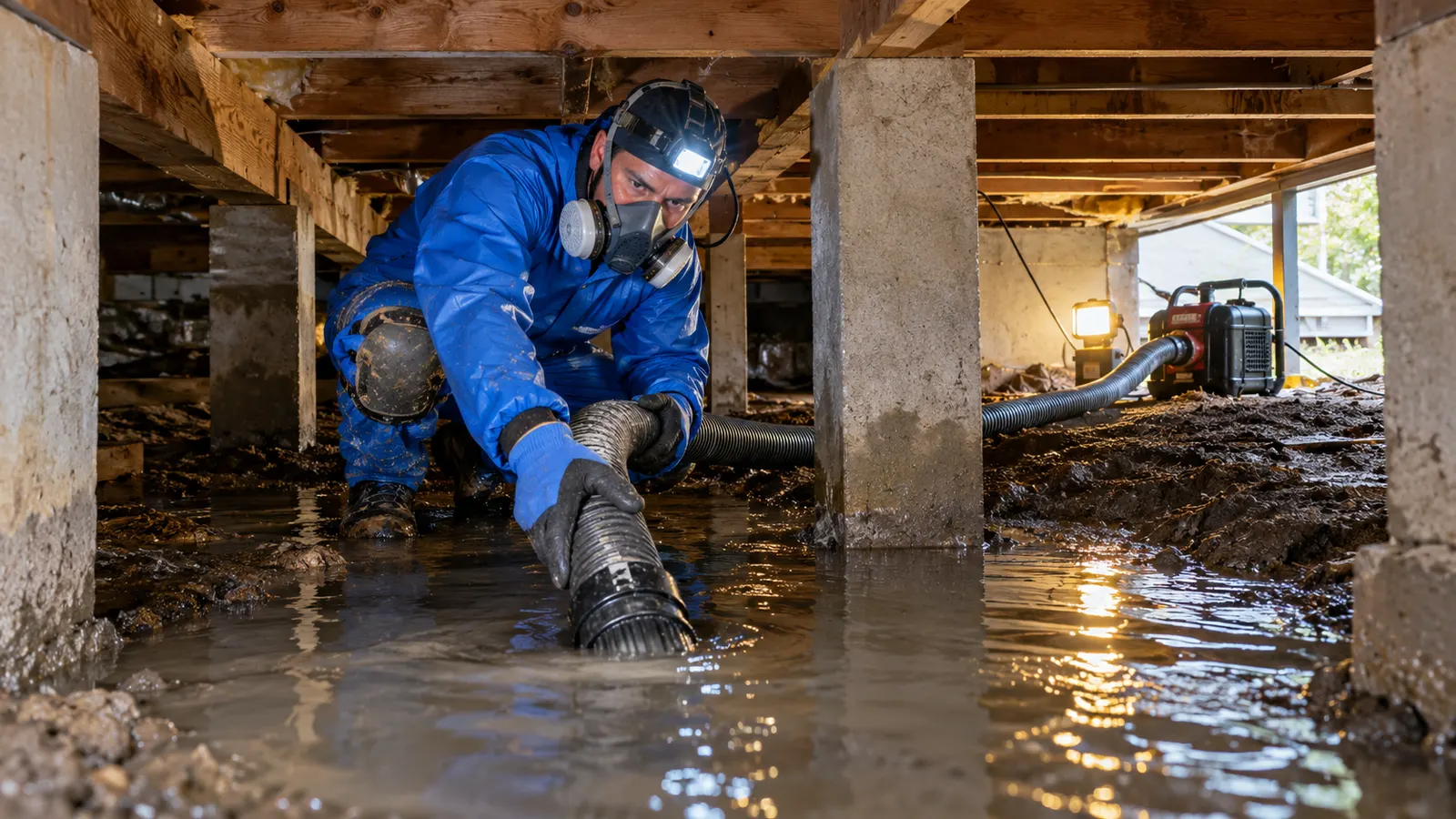
Older Sapulpa pier-and-beam homes can hold water beneath the floor while the rooms above still look dry. We remove crawlspace water, check joists and subfloors, and plan drying after unnoticed line breaks or rainwater beneath the house.
24/7 emergency responseWater damage help, day or night
Measured dryingMoisture meters & drying logs
Cleanup through repairsExtraction, drying & rebuilding
Claim documentationPhotos & records for your adjuster
Older Sapulpa pier-and-beam houses can hold standing water in low crawlspace areas.
Sapulpa joists and the underside of subfloors need readings after water is pumped out.
Exposed supply lines below Sapulpa's older floors can split unnoticed during a hard freeze.
A wet Sapulpa subfloor can affect the wood or carpet in the room above it.
Poorly vented Sapulpa crawlspaces may leave damp wood and porous materials that need a separate mold assessment.
Older Sapulpa pier-and-beam houses need a look below the room, not just at its finished floor. We check reachable joists, the underside of the subfloor, wet insulation, and standing water. Each reading is tied to a place the crew can find again, so you can see which parts are drying and which still need attention.
Access can change from one part of an older Sapulpa house to another. Piers, ducts, stored items, and low clearance may leave only a narrow working space. We explain what can be reached from the opening and whether another access point is needed, rather than guessing about wood the crew cannot see.
A vapor barrier in a Sapulpa crawlspace may be torn, folded, or covering a water pocket. We photograph its condition before moving damaged sections. Pumping the lowest open spot can leave water elsewhere beneath the sheeting, so the barrier and soil need checking alongside the joists and subfloor.
When water below a Sapulpa raised floor has also affected older plaster or trim upstairs, those surfaces need their own review. The visible room may need careful access while the underside continues drying. We discuss both sides of the floor before new insulation or finish work hides the places being checked.
A pier-and-beam house near Route 66 downtown can have an exposed line split below the floor during a freeze. The water stays beneath the house until a room develops a soft or changed floor section. We assess access, remove standing water, and check joists and subfloor panels while the plumber handles the failed line.
An older Sapulpa home may collect water beneath poorly vented floor areas after spring rain. Damp insulation touches the subfloor, and the vapor barrier has shifted into folds. We inspect reachable water pockets, remove unsuitable wet insulation, and record the condition of the floor wood before choosing equipment and places to recheck.
At a raised-floor home around the Heart of Route 66 Auto Museum, a supply release may wet joists without flowing over the room upstairs. The owner notices dampness beneath the house first. We photograph the underside, measure reachable wood, and compare those findings with the floor above so the work is based on more than its visible finish.
In a Sapulpa pier-and-beam house with older wood flooring and trim, water may stay against the underside long enough to change the floor above. We check the joists, subfloor, and finish separately. Any damaged trim or plaster is recorded before removal, and drying access stays available until the wood can be checked again.
Sapulpa is about 25 miles from our office at 14924 S Grant St, Bixby, OK 74008. For an older pier-and-beam home, tell us where the crawlspace entrance is and whether you can see water from that opening without going beneath the house.
Sapulpa under-floor photos can help show the access opening, piers, and visible water before the visit. There is no need to enter a low, wet space to get them. We take photos during the work and keep joist and subfloor readings with drying logs so the owner and adjuster can follow what happened below the rooms.
Hard freezes are a concern where older Sapulpa crawlspace lines have little protection from cold air. A split can keep releasing water after the thaw without an indoor puddle. Tell us about a changed floor, water visible below it, or a plumber's repair under the house so the inspection follows the same floor bays.
Spring rain can leave water beneath Sapulpa's raised floors when drainage and low ground around the house keep the crawlspace wet. We check reachable soil and barrier folds as well as the wood above. If water keeps returning between visits, the drainage issue needs attention alongside cleanup rather than a new sheet laid over the same puddle.
Humid summer air can make an older, poorly vented Sapulpa crawlspace slow to dry. The room upstairs may feel normal while insulation or subfloor edges remain damp. We record wood readings, review the available drying space, and explain when wet insulation has to be removed so air can reach the underside of the floor.
In a Sapulpa pier-and-beam house, the crew starts with reachable standing water and wet debris, then checks whether barrier folds conceal more water near the piers.
Sapulpa joists and subfloor panels are checked at marked locations while damp insulation is out of the way, so a new layer does not hide wood that still needs drying.
Older Sapulpa plaster, trim, and flooring are photographed where water changed them, and the owner sees how those repairs fit with the under-floor work.
The space beneath an older Sapulpa floor can matter as much as the amount of water. Low access, damp joists, and older room finishes all change the work needed after pumping.
| Cost factor | Why it matters in Sapulpa homes | Raises or lowers cost |
|---|---|---|
| Crawlspace entrance and working room | Sapulpa pier-and-beam houses may have low clearance and piers that restrict access. | A cramped or hard-to-reach wet area takes more labor than an open crawlspace. |
| Joist and subfloor drying time | Wood beneath an older Sapulpa floor may stay wet after standing water is removed. | More wet floor bays or longer drying adds equipment and follow-up checks. |
| Older plaster and trim | Sapulpa rooms above a damp raised floor may have finishes that need careful removal and repair. | More affected finish work raises the scope; sound dry trim can remain. |
An exact cost for your Sapulpa crawlspace, joists, and upstairs finishes needs an on-site assessment. Insurance coverage depends on your policy and whether the Sapulpa water came from a split line, rain entry, or another cause.
Try the cost calculator for your Sapulpa home’s wet rooms.
A split line under an older Sapulpa pier-and-beam home can wet the joists and subfloor without first wetting the room's surface. Keep away from a weak floor section and report the change. We assess the reachable wood below and check how the room above has been affected.
Piers, low clearance, and additions can limit access under an older Sapulpa house. We explain which floor bays can be reached and whether another entrance is needed. That helps you understand the photos and readings without assuming the entire underside was visible from one opening.
The joists and subfloor need checking before insulation covers them again. In Sapulpa's poorly vented crawlspaces, wet wood may take more work after pumping. We review the readings and the source repair before replacement layers hide places the crew still needs to inspect.
We use pictures of the older raised floor, room or floor-bay labels, joist readings, and drying logs. Ask which areas were reached and what remains wet. Those details show how work beneath a Sapulpa home relates to the changed flooring or trim in the room above.
Describe your Sapulpa crawlspace access, visible water, and changes in the floor above. We will explain extraction, joist checks, and drying before older finishes are repaired.
Call (918) 675-5611